Table of Contents
- Emergency Alert: स्मार्टफोन यूजर्स को मिल रहा इमरजेंसी अलर्ट का मैसेज ...
- Emergency Alert Systems - YouTube
- How emergency alerts fail us, and how we can fix them - Curbed
- EMERGENCY ALERT: NATO TO LAUNCH A PEARL HARBOR ATTACK ON RUSSIA USING F ...
- Did you receive the alert? It was a test of US government's emergency ...
- Emergency Alert - आपका फोन जोर से करने लगे वाइब्रेट तो घबराएं नहीं ...
- Emergency Alert System: क्या आपके फोन की घंटी भी अचानक से बजने लगने और ...
- How to turn off the new Government Emergency Alerts on your mobile ...
- EMERGENCY ALERT!! TWO NUKE SNIFFERS, NUCLEAR BOMBER AIRBORNE!! RUSSIA ...
- Nationwide Emergency Alerts Testing Oct. 4 | article

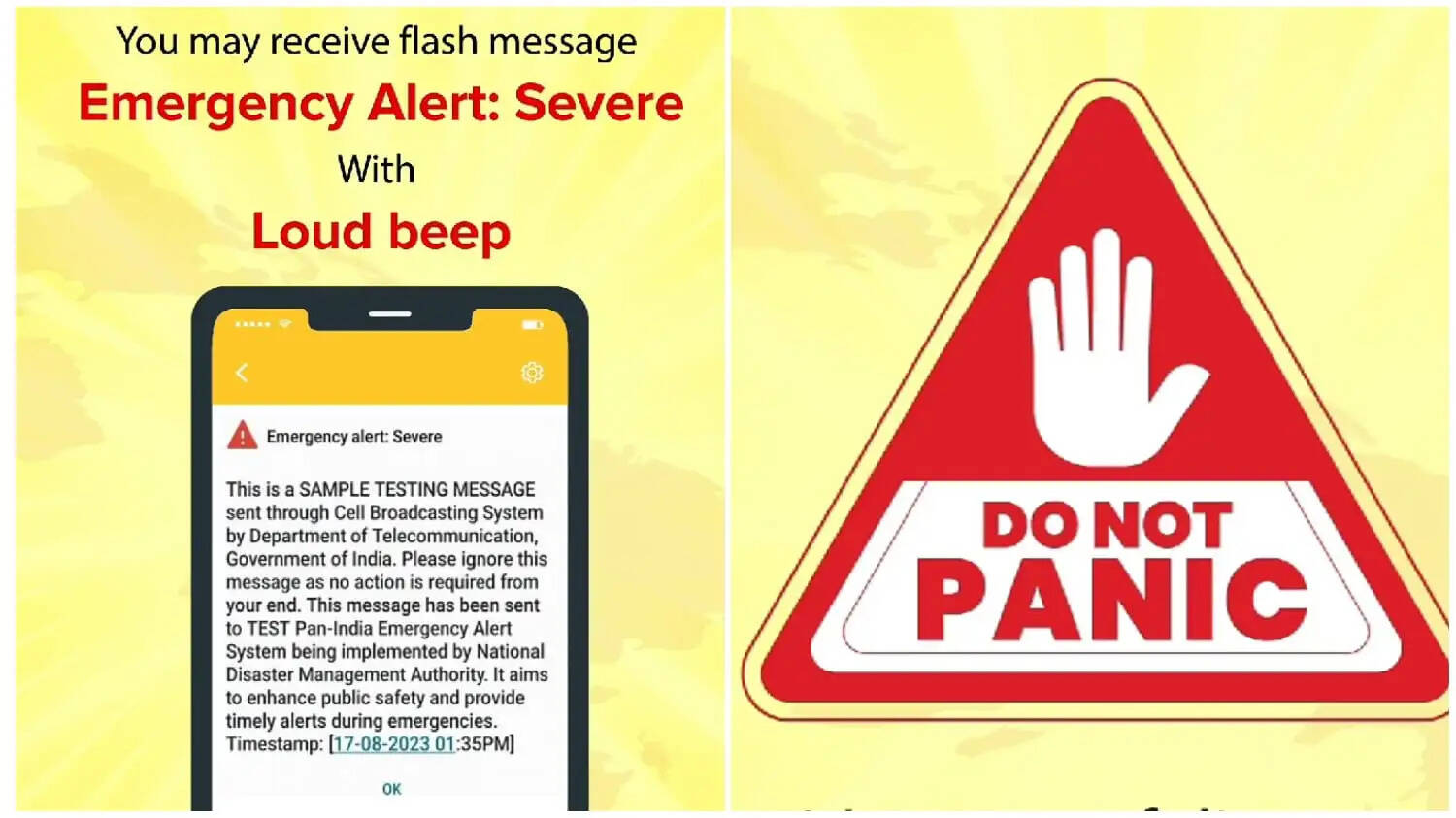

What are Wireless Emergency Alerts?

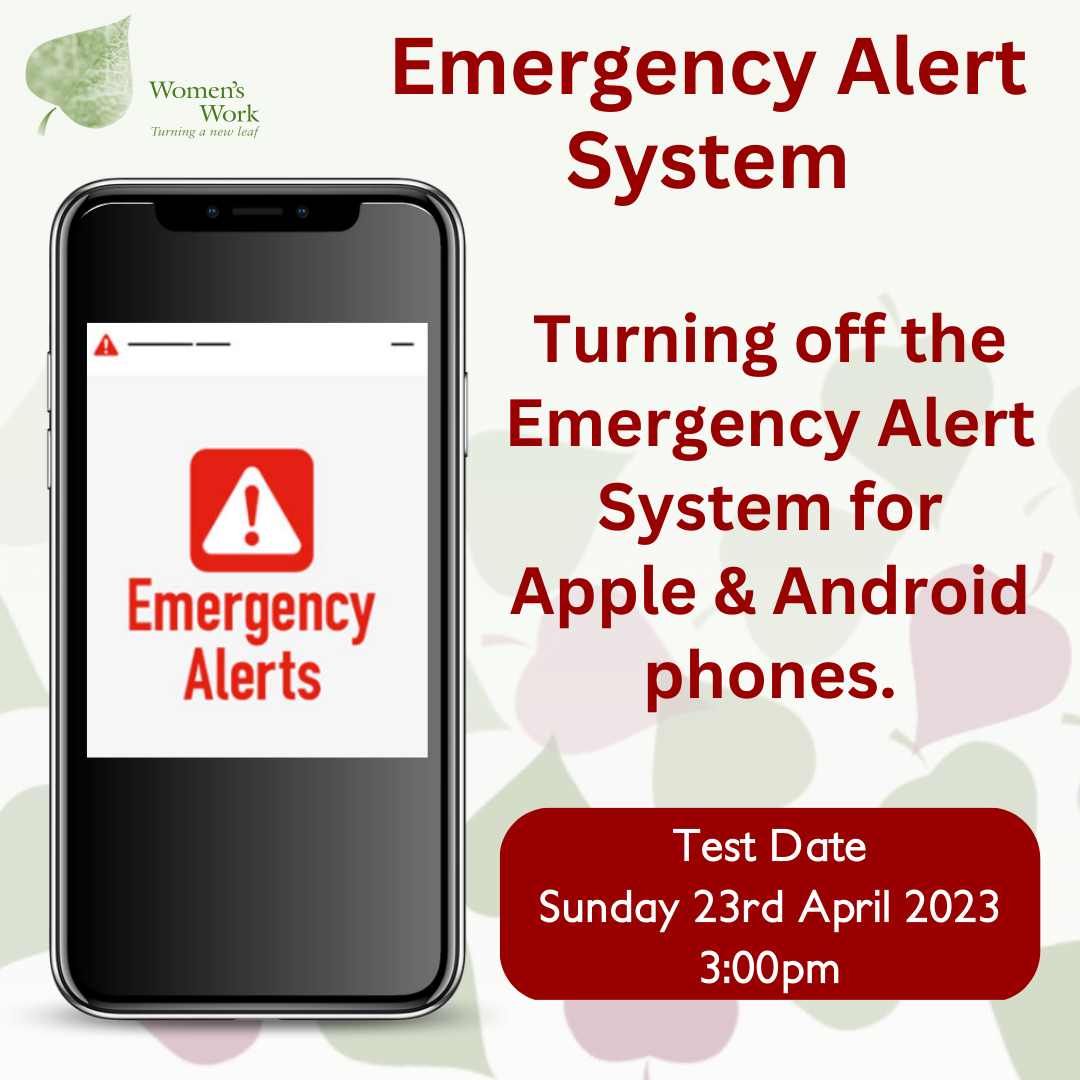

How do Wireless Emergency Alerts Work?
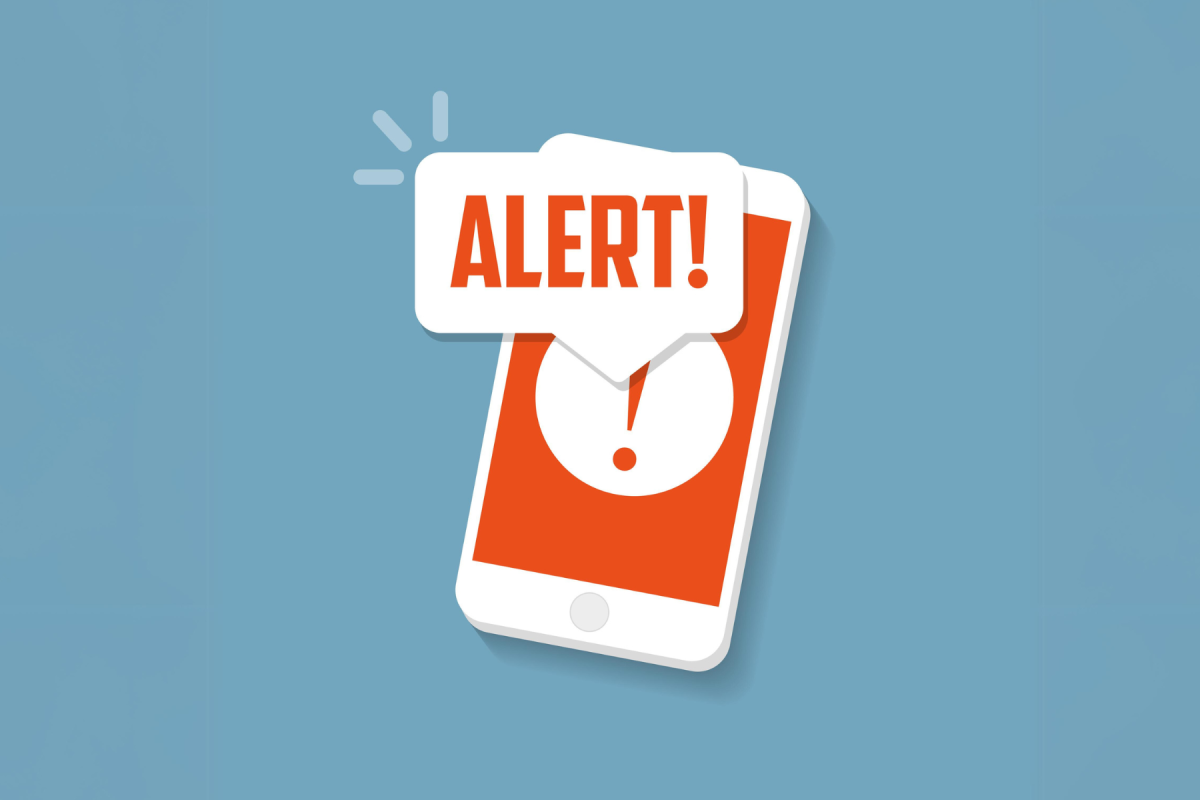
WEA messages are typically categorized into three types:
Presidential Alerts: These are alerts issued by the President or his designee during a national emergency. Imminent Threat Alerts: These alerts are issued by authorized agencies, such as FEMA, to warn of imminent threats, such as tornadoes, hurricanes, or floods. AMBER Alerts: These alerts are issued by law enforcement agencies to help locate missing children./cdn.vox-cdn.com/uploads/chorus_image/image/50931245/d77c31339c88e07cb8c0d05f4f51a6d0.0.jpg)
Benefits of Wireless Emergency Alerts
The benefits of WEA are numerous. Some of the advantages include: Timely Information: WEA messages provide critical information in real-time, helping individuals take necessary actions to stay safe. Geographically Targeted: Alerts are targeted to specific areas, reducing the likelihood of receiving unnecessary messages. Increased Public Awareness: WEA helps increase public awareness of emergencies, promoting a safer and more informed community.
How to Receive Wireless Emergency Alerts
To receive WEA messages, you don't need to sign up or download any apps. If your mobile device is WEA-capable and you are in an area where an alert is issued, you will automatically receive the message. However, it's essential to note that not all devices are WEA-capable, so it's crucial to check with your wireless carrier to see if your device is compatible.In conclusion, Wireless Emergency Alerts from FEMA.gov are a vital tool for public safety. By understanding how WEA works and the benefits it provides, individuals can stay informed and take necessary actions to stay safe during emergencies. Remember, staying informed is key to staying safe. Visit FEMA.gov to learn more about Wireless Emergency Alerts and other emergency preparedness resources.
Stay safe, stay informed, and stay alert with Wireless Emergency Alerts from FEMA.gov!